Common name:Provence Blue Lavandin
Botanical name:Lavandula X intermedia 'Provence'
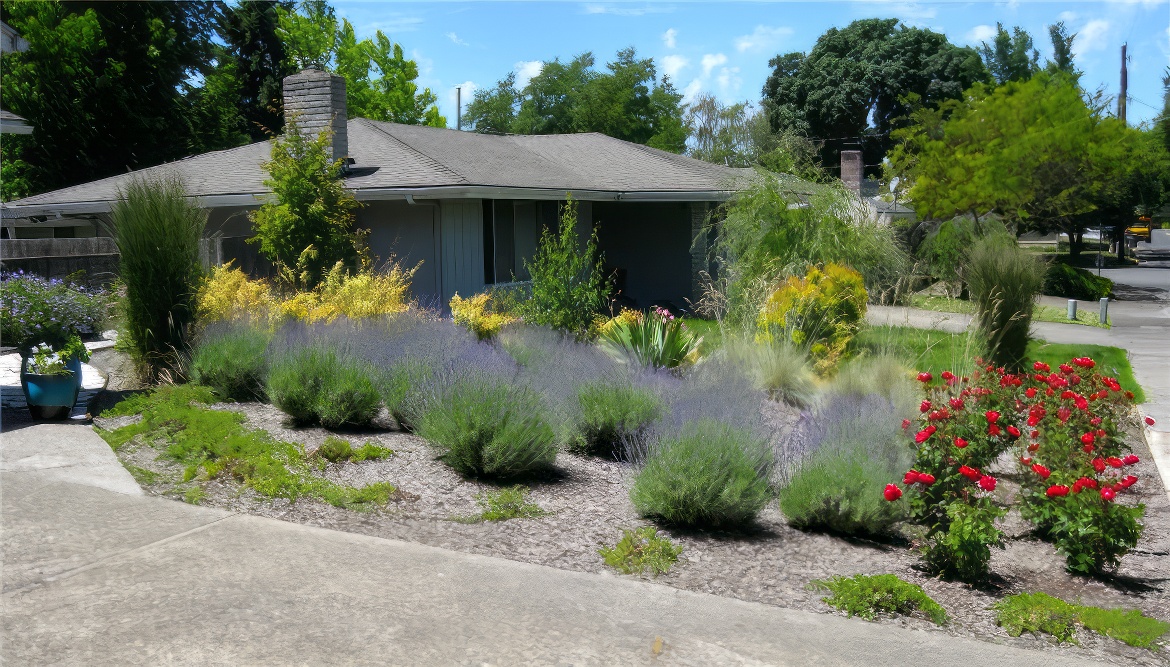
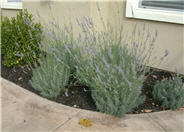
With tall 24"-30" stems, 'Provence' has true, lavender colored flowers that are fragrant and excellent for cutting. It flowers in early June and has large, gray green leaves.
Common name:White Birch, European White Birch
Botanical name:Betula pendula
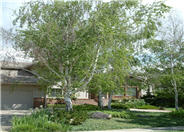
This medium-size weeping tree will grow to about 40' tall and has a whitish/brown bark with deciduous green leaves.
Common name:Purple Robe Locust
Botanical name:Robinia X ambigua 'Purple Robe'
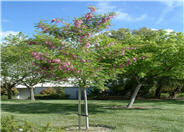
Robinia X ambigua 'Purple Robe' is a deciduous tree that grows 25'-40' tall and 12'-25' wide with compound green leaves. It requires full sun, low watering (drought tolerant), and will live in poor soil. It has blue, pink, and purple flowers that bloom from April to June.
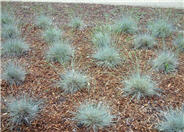
Common name:California Fescue selection
Botanical name:Festuca californica 'Serpentine Blue'
The California fescue is a cool season bunchgrass with blue-green blades that reach 2 ft. high. The flower stalks are 5 ft. tall and create fountain-like clumps. This grass is drought tolerant for sun and shade. The California fescue is native to northern California and southern Oregon. Tolerates summer drought
in cooler climates. A ohst to beneficial insects.
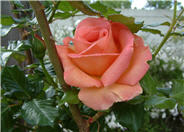
Common name:Hybrid Tea Rose (selections)
Botanical name:Rosa Hybrid Tea varieties
These shrubs and vines are the most loved in the Western USA and are very resilient. They come in a wide variety of sizes and colors and are easy to maintain with proper care. They can be used in a water-conserving garden with careful attention to irrigation practices.
Designer: One Earth Landscaping
Photographer: GardenSoft
Incorporate compost 6" into your soil to retain water, reduce compaction, feed earthworms, and provide valuable nutrients to your plants.
Remove irrigation water and fertilizer from areas where you don't want weeds to grow.