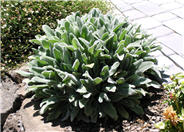
Common name:Lamb's Ear
Botanical name:Stachys byzantina
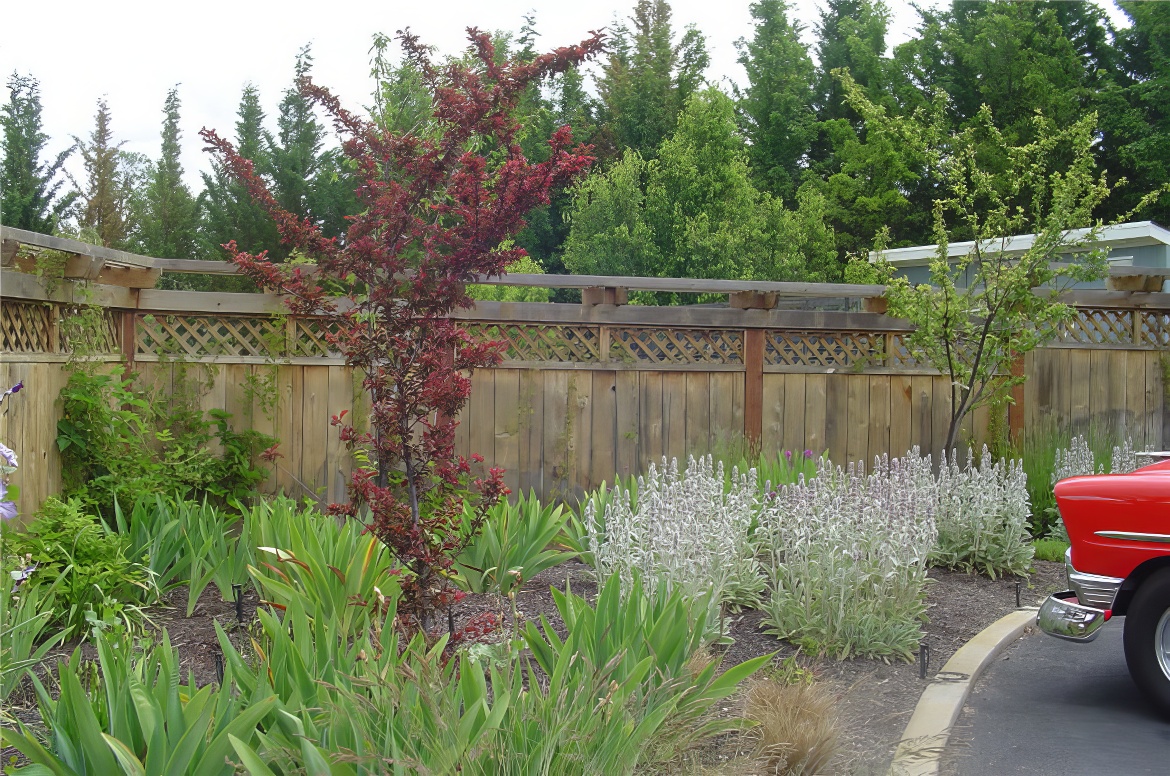
This tiny shrub will grow less than 1' tall and has medium-size, greyish-green leaves with blue and lavender flowers that bloom in the spring. This shrub is grown more for its velvety leaves than the flowers. It is drought tolerant once it's established. Be careful not to overwater.
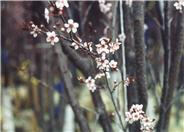
Common name:Mt. St. Helens Purple Leaf Plum
Botanical name:Prunus cerasifera 'Mt St. Helens'
Mt. St. Helens Plum is a sport of `Newport' that grows faster and leafs out earlier. There is a rich maroon red leaf color on a rounded crown. Has fragrant pale pink flowers that emerge all along branches in spring, sometimes followed by 1" edible plums. It is useful for color contrast in the landscape. Susceptible to cankers and needs full sunlight. -Fort Collins Nursery
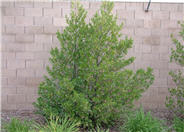
Common name:Carolina Laurel Cherry
Botanical name:Prunus caroliniana
This large evergreen shrub or small tree has leaves that are glossy and 2"-4" in length. It is excellent as either a formal hedge or an informal screen. It has creamy white flowers in late winter and spring followed by small black berries.
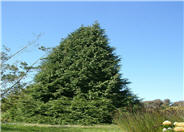
Common name:Leyland Cypress
Botanical name:Cupressocyparis leylandii
The Leyland Cypress is easy to grow, and will become a tall, evergreen tree with a dense crown that is conical to columnar in shape. While its leaf form, size and shape resemble those of the Cupressocyparis nootkatensis, its branchlets are finer, longer and more slender. It combines well with broadleaf evergreens, low junipers, and barberry.
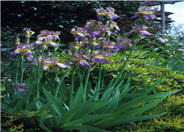
Common name:Bearded Iris
Botanical name:Iris bearded hybrids
This perennial will grow 1'-3' tall and has medium sized, blue green leaves with flowers of different colors that bloom in spring. It needs well draining soil and full sun. Many are fragrant and rebloom several times a year. Plant rhizomes in Sept or Oct. They need water once a week during the hot spells. Top dress with compost and gypsum in January and August.
Designer: One Earth Landscaping
Photographer: Donna Breedlove
Maintain a two to four inch layer of mulch on the soil surface to reduce weeds, infiltrate rain water, and reduce compaction.
Drip and other smart irrigation delivers water directly to roots, allowing no excess water for weeds.